
Private Label Packaging: A Multilingual Copy and Proof Approval Guide
Plan multilingual packaging artwork for bags, boxes and pouches, including copy ownership, proof versions, readable print and production approval.
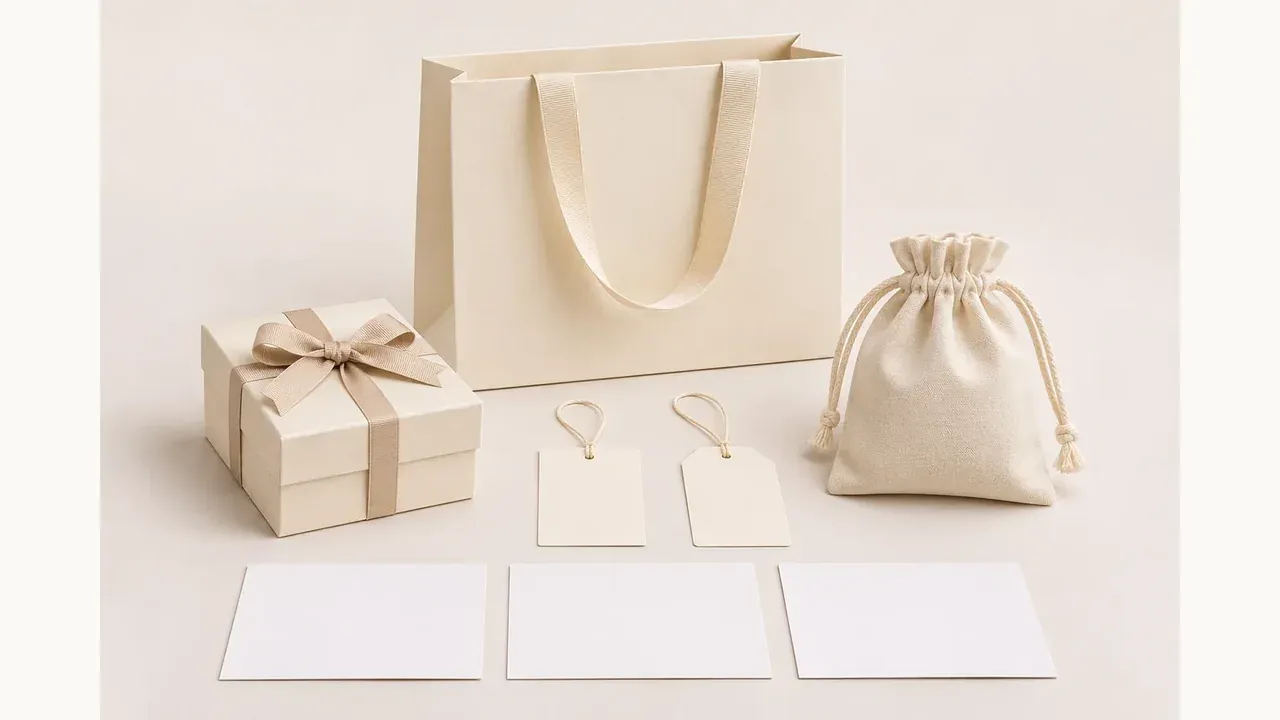
Plan multilingual packaging artwork for bags, boxes and pouches, including copy ownership, proof versions, readable print and production approval.
Assign one owner to the approved copy
Multilingual private label packaging becomes difficult to control when translations arrive in separate emails and artwork revisions. Name a person responsible for consolidating the text for each market and product. Supply editable, approved wording with clear language identifiers and a list of the items on which it appears. The packaging supplier should receive a controlled source file rather than being expected to infer which translation is current. Obtain suitable market review for any required declarations before treating the copy as approved.
Map each language to each packaging component
Build a simple matrix covering paper gift bags, gift paper boxes, cotton bags, jewellery pouches and any tags or sleeves in the program. Identify text that is shared, market-specific or absent on a particular component. Define whether the logo stays identical across markets and where variable copy belongs. This helps prevent a pouch tag intended for one market from being packed with a box for another. Assign artwork identifiers independently from product size codes.
Check real text on the actual print area
Translated wording can occupy different space, and some scripts require different layout direction or font support. Give the designer the complete approved text before finalizing the panel. Review the smallest printed item at actual size instead of assessing readability only on a zoomed screen. On fabric bags, inspect how the weave affects fine characters; on paper, inspect folds and finishing. Ask the supplier which printing method can reproduce the proposed detail and request a physical proof when legibility is uncertain.
Separate language review from print review
Have the designated reviewer check meaning, spelling and market wording. Have the production reviewer check size, position, colour separation and placement relative to seams, folds and holes. Neither review replaces the other. Record approvals against the same file revision and stop production release if reviewers are looking at different versions. If text is converted to outlines for printing, keep an editable approved source and compare the final outlined proof against it.
Control changes after sampling
Use filenames and an approval log that identify product, market, language set and revision. Highlight every copy change and ask whether it affects plates, screens, foil tooling or sample timing. Withdraw obsolete artwork from the production release package without losing its audit trail. A small punctuation change may still require a revised manufacturing file. Require the supplier to acknowledge the final revision in writing before production begins.
Keep variants identifiable through packing
Ask for an agreed method to distinguish market variants on bundles and shipping cartons. Inspect one complete packed set rather than approving each component in isolation. Confirm how the supplier will prevent artwork versions from being mixed at the packing stage and how quantities will be reconciled by variant. Avoid relying only on a ribbon colour or a subtle visual difference if those features are shared across several products.
Quotation checklist
• Packaging components, sizes and destination markets
• Approved source copy and responsible language reviewer
• Language combinations and artwork IDs by SKU
• Logo files, fonts or outlined print files
• Print method, material and surface finish
• Actual-size proof and physical-sample requirements
• Quantity and MOQ per artwork variant; tooling costs
• Revision deadline, packing identification and delivery schedule
Release one complete production package
Send a final artwork register, the approved files and a sample reference together. Define who can authorize changes and how a new version affects timing and price. Ask the supplier to separate sampling, print setup and production time from transport time in the quotation. This gives the buyer a clearer basis for comparing offers and reduces avoidable rework. A precise enquiry includes the component list, market split, artwork count, quantities and target arrival date.