
Oct 13, 2026
Paper Gift Bag Load Testing: A Buyer's Acceptance Checklist
Specify paper gift bag load tests, handle reinforcement and acceptance records before bulk production, with a practical quotation checklist for retail buyers.
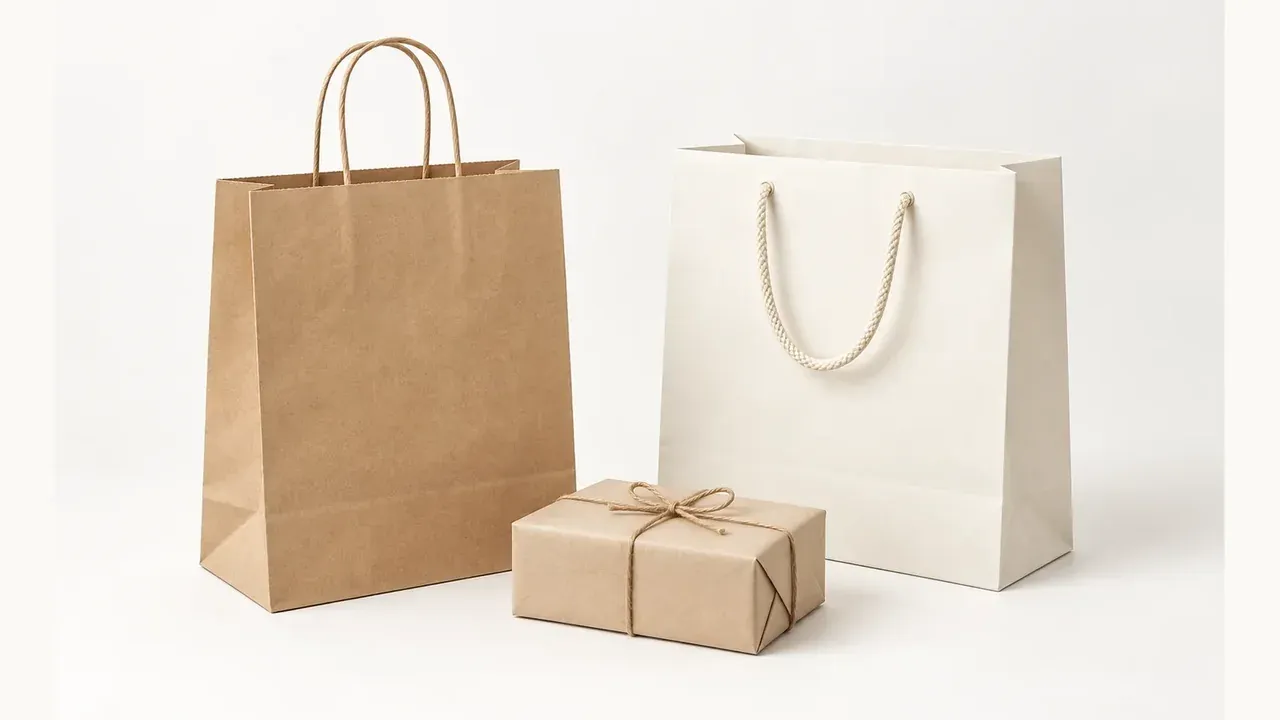
A paper gift bag can look right at sample approval and still perform poorly when filled with the customer's purchase. For retail buyers, the useful question is whether the finished bag can carry the intended contents through normal handling. Paper weight and an attractive logo alone do not answer that question.
Build a written acceptance brief before requesting bulk production. It should connect the actual retail load, the finished bag construction and the supplier's proposed testing method, so competing quotations cover the same requirement.
Define the packed load before selecting material
Give the supplier the dimensions and total weight of the complete purchase, including its gift paper box, inserts and gift wrapping paper. Describe whether the contents are one rigid package or several loose items. Include photographs or physical samples where corners, narrow contact points or movement could affect the bag.
For example, a boxed candle and a folded scarf may fit the same bag but create different demands at the base. Treat these as separate use cases until the supplier confirms that one construction is suitable for both. Any example load in a quotation should be identified as a target for validation, rather than a proven capacity.
Record the complete bag construction
Ask for the paper grade and grammage, finished dimensions, handle material, attachment method, top reinforcement and bottom reinforcement. Record the adhesive or assembly specification through the supplier's controlled product reference when proprietary details are unavailable.
Do not accept a heavier paper substitution as automatic proof of better performance. Request approval of the revised finished bag. Likewise, changing a rope handle, knot, attachment patch or base board should trigger a review of the evidence supporting the original sample.
Agree on a repeatable test brief
Ask the supplier or test laboratory to propose a method appropriate to the intended use. Specify the loaded contents, conditioning, sample quantity, lifting procedure, duration or cycle count, and what counts as failure. A statement such as “passed a heavy-load test” is difficult to compare without those details.
RISE describes carrier-bag methods that assess carrying capacity and distinguish single-use from multiple-use bags. Its quality mark applies to bags tested and approved within its program; it is not a claim a buyer should infer from an informal sample check. [RISE Carrier Bag Group](https://www.ri.se/en/packaging/network/carrier-bag-group)
For the purchase specification, have the testing party identify the method and applicable version. Keep an internal handling check separate from any certification requirement, and do not invent a universal kilogram rating or cycle count for all paper gift bags.
Inspect the handle, seams and base after testing
Request photographs before and after the test, with close views of the attachment area, side seam, bottom folds and any reinforcement. Record tears, detached handles, opening seams and loss of contents separately from minor cosmetic changes. Agree on acceptable cosmetic change before reviewing results.
Use the intended contents during practical fit checks. Confirm that loading and unloading do not catch the handle fixings or damage the logo area. A bag that carries the weight but is awkward to fill can still create problems at a busy checkout.
Link sample approval to bulk production
Keep an identified approved sample with its construction record and test report. Request a production inspection plan that states how samples will be selected across the order, who will inspect them and how a failed check will be handled. The sampling plan should reflect the order and agreed risk; there is no single sample quantity suitable for every contract.
For private label packaging, include the final logo printing and surface finish in approval. A plain structural sample can support early fit work, but it does not approve the appearance of the printed production bag. Record both structural and visual approval against the same revision before release.
Compare MOQ and delivery with testing included
Ask whether reinforcement, handle sourcing or a separate printed trial changes MOQ. Separate sample cost, testing cost, tooling and bulk unit price. Request alternative constructions as clearly labeled options rather than allowing the supplier to replace the accepted specification silently.
Build the delivery plan around material confirmation, sample completion, test review, production and final inspection. Request the time needed for a replacement sample if the first construction fails. A shipment date quoted before approval should state its assumptions.
Quotation checklist
• [ ] Finished bag width, depth and height, plus quantity per size and artwork.
• [ ] Actual packed contents, dimensions and total target carrying weight.
• [ ] Paper grade, grammage, handles, attachment method and reinforcement.
• [ ] Logo printing, color reference and surface finish.
• [ ] Proposed test method, conditioning, sample quantity and pass/fail criteria.
• [ ] Test report and before/after photographs tied to a sample revision.
• [ ] MOQ and separate sample, testing, tooling and production charges.
• [ ] Bulk inspection plan and procedure for failures or substitutions.
• [ ] Packing details, destination, delivery basis and approval deadlines.
Send the supplier the packed product information with this checklist to request a construction proposal and a test plan alongside the price. That makes the quotation easier to evaluate and gives the production team a clear acceptance target.