
Aug 17, 2026
Paper Gift Bag Handle and Logo Printing Guide for Retail Orders
A buyer-oriented guide to choosing paper gift bag handle types, logo printing methods and surface finish combinations for retail and private label orders.
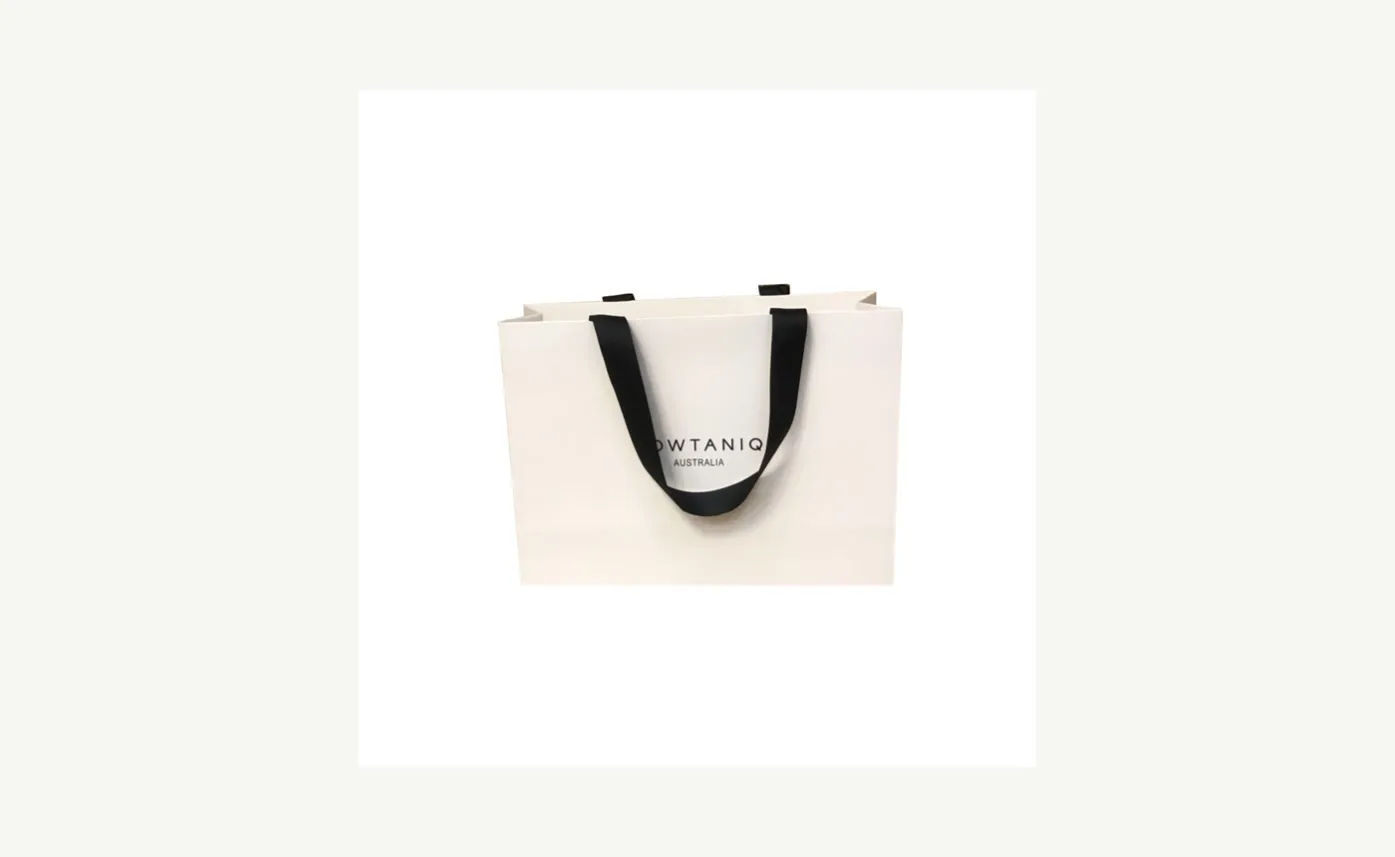
Paper Gift Bag Handle and Logo Printing Guide for Retail Orders
For many retail, boutique, cosmetics and seasonal gift projects, the bag is not only a carrying tool. It is also part of the brand presentation. Buyers often compare paper thickness and size first, but the final look and daily use experience are usually affected just as much by handle choice and logo printing method.
When a paper gift bag is used for retail shelves, brand campaigns or private label packaging, the handle, printing and surface finish should be reviewed together. A good quotation is not based on one isolated feature. It should show how the full bag structure will perform in real packing and customer use.
Why handle selection matters before pricing
Different handles change both the appearance and the cost of a paper gift bag. They also influence how much weight the bag can carry, how it feels in hand and how efficiently it can be packed for export.
For example, a twisted paper handle may work well for standard retail use, while a cotton rope handle is often chosen for a more premium gift presentation. Ribbon handles can create a softer luxury look, but they also need to match the bag size, hole position and reinforcement method.
That is why buyers should ask not only for handle options, but also for the matching load capacity and recommended bag size range for each option.
Which paper gift bag handle types are most common
Common handle options usually include:
- twisted paper handles for standard retail and supermarket orders
- flat paper handles for practical takeaway or value-oriented bags
- PP rope or polyester cord for stronger branded retail bags
- cotton rope for gift, cosmetics and boutique packaging
- ribbon handles for premium and seasonal presentation
- die-cut handles for lightweight or compact bag formats
The right choice depends on product weight, target price, sales channel and brand style. For heavier items, buyers should also confirm whether the handle area needs reinforcement card or patch support.
How logo printing methods affect the final bag look
Logo printing should be selected according to both artwork style and bag material. A simple one-color logo may work well with flexo or screen printing on kraft paper, while a more premium retail program may need offset printing, hot foil stamping or embossing.
Buyers usually compare these points:
- color accuracy on kraft paper versus white card paper
- readability of small logos or fine lines
- foil position and edge cleanliness
- whether the finish is suitable for matte or glossy lamination
- whether the logo stays clear after transport and handling
If the project includes several SKU sizes, ask whether the same logo plate and print layout can be shared across the range. This often helps reduce setup cost and keeps the visual system consistent.
How material and surface finish should be checked together
The same logo method can look very different on kraft paper, white card paper or specialty paper. Surface finish also changes the result. Matte lamination can create a clean retail look, glossy lamination can increase color brightness, and soft-touch lamination is often used for higher-end branding.
Before approving a sample, buyers should check:
- paper type and GSM
- rope color or handle color match
- logo position relative to handle holes
- lamination, foil or embossing consistency
- edge folding and bottom reinforcement quality
When the handle and finish are reviewed together on the physical sample, it is much easier to avoid mismatch between quotation expectations and mass production output.
What buyers should confirm before sampling
Sampling should not start from artwork only. It should start from the commercial specification. A clear bag sample request normally includes size, paper material, handle type, printing method, finish and expected load use.
If the order is for a private label program, buyers should also confirm whether the same bag structure will be repeated across several designs or seasons. This helps the supplier keep one stable construction standard while changing only the artwork.
How to get a faster and more accurate quotation
For faster quotation and fewer revisions, send the supplier:
- finished bag size
- product weight or use scenario
- paper type and GSM
- handle type and color
- logo printing method or artwork file
- surface finish requirement
- estimated quantity per size
- delivery country and target deadline
With these details confirmed early, buyers can compare bag quotations on a real like-for-like basis instead of only comparing a unit price headline.
Quotation Checklist
- Bag size: width, gusset, height
- Product weight or intended retail use
- Paper type and paper GSM
- Handle type: twisted paper, flat paper, rope, ribbon, die-cut
- Handle color and reinforcement requirement
- Logo printing method: flexo, offset, screen, foil, embossing
- Surface finish: matte, gloss, soft-touch, no lamination
- Quantity per size and artwork version count
- Delivery country, deadline and sample requirement