
Oct 26, 2026
Gift Wrapping Paper Roll Splices and Print-Repeat Continuity: A Buyer’s Guide
Learn how to specify roll splices, print-repeat continuity, inspection samples and packing data for custom gift wrapping paper orders.
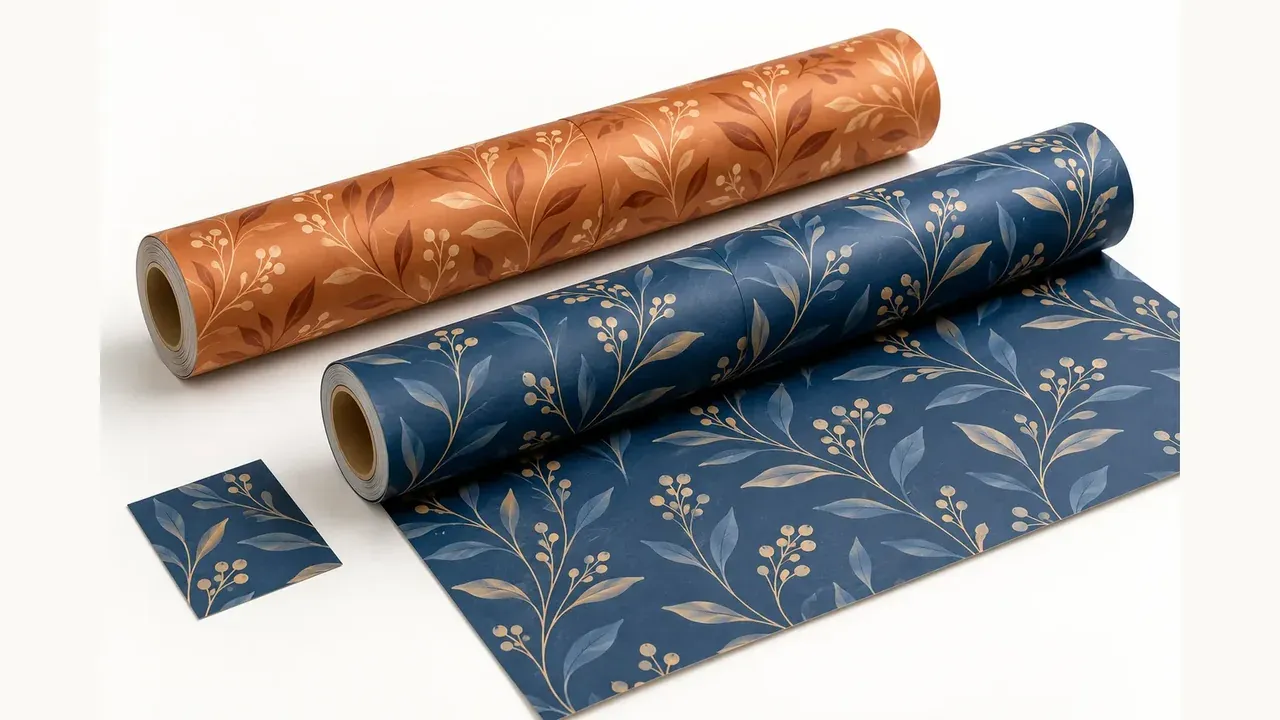
Roll-fed wrapping paper is efficient to print, convert and pack, but a roll splice or a broken pattern repeat can interrupt downstream cutting, gift-wrap service and retail presentation. Buyers do not need to eliminate every splice; they need a clear, commercially sensible rule for where it may appear, how it is marked, and what pattern continuity is acceptable.
Define the roll’s end use before setting a splice rule
Retail wrapping counters, automated cutters and hand-wrapped ecommerce orders tolerate different interruptions. Explain whether rolls will be sold as retail units, converted into sheets, slit into narrow widths or used in an automated line. This tells the supplier whether the splice limit should be per roll, per carton or per production batch, and whether the splice must be visibly marked for operators.
Specify a measurable splice policy
State the maximum number of splices per roll, whether splices are permitted in short retail rolls, and the minimum usable length on both sides of a splice. Ask for a low-profile joining method that will not lift a coating, mark the printed face or jam converting equipment. A coloured flag, label or tail mark can help a warehouse or cutter find the joint without searching through the roll.
Lock the pattern repeat before production
For a repeating print, provide the repeat length, direction of travel, colour references and an artwork proof showing the seam point. A pattern that appears continuous on a screen can shift at the cylinder join or at a conversion cut. Request a press proof or a representative sample that shows several consecutive repeats. For checked, striped or geometric artwork, agree a tighter visual tolerance because small drift is easier to see.
Check colour and surface finish across the roll
The first and last metres of a roll may behave differently if ink density, drying or coating conditions change during the run. Agree the approved colour target, finish level and observation lighting. Inspect for offsetting, scuffing, gloss variation, pinholes and unwanted set-off—not just for pattern alignment. Keep a signed master swatch with the quotation and repeat-order records.
Plan roll length, core and carton packing together
Roll length and core diameter affect usable yield, transport cube and handling. Specify roll width, repeat length, nominal roll length, core inside diameter, outer diameter tolerance and winding direction. Request the carton dimensions, gross weight and rolls per carton before booking freight. This information also lets a buyer check whether a splice will disrupt a planned sheet-cutting schedule.
Use a pre-shipment inspection sample for critical launches
For seasonal or branded launches, ask for photos and a short unwound video of the selected production roll. The check should show the roll ends, pattern repeats, any splice marker, surface finish and carton labels. If physical approval is required, define the sample quantity and courier timing early; it should not be an unplanned delay after mass production has finished.
Quotation checklist
• Paper material, GSM, coating or finish, print process and number of colours.
• Roll width, nominal length, core ID, winding direction and permitted outer-diameter range.
• Pattern repeat length, approved artwork proof and visible-tolerance expectations at repeat joins.
• Maximum splices per roll, splice-marking method and minimum usable length beside each splice.
• Inspection method: roll photos/video, master swatch, sample approval and defect acceptance criteria.
• MOQ, sample timing, production lead time, carton packing, pallet plan and delivery destination.
The practical approval rule
Approve the order only when the pattern repeats cleanly over multiple cycles and the splice policy is documented in the purchase order. That gives the converter and the retailer the same expectation before the rolls leave the factory.