
Oct 13, 2026
Gift Wrapping Paper Opacity and Fold Testing: A Buyer’s Sample Guide
Check gift wrapping paper opacity, fold appearance and tape adhesion before ordering. Use a practical sample plan and quotation checklist for custom printing.
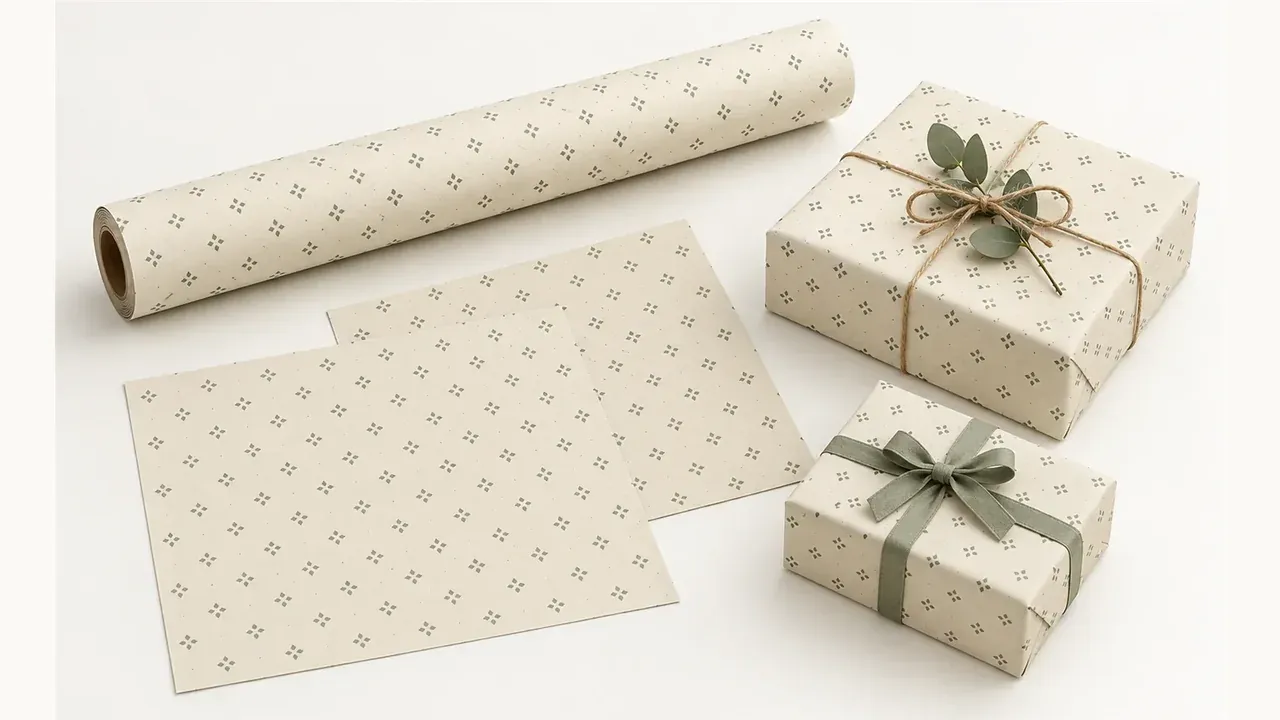
A wrapping paper sample can look attractive when laid flat yet show the print on the box underneath once a gift is wrapped. Another sample may hide the contents well but leave a conspicuous pale line across a dark printed fold. For buyers ordering custom gift wrapping paper, sample approval should include the finished wrapping task as well as the artwork.
This guide proposes a practical comparison routine for retail and private label packaging. It is a buyer-defined sample check, not a laboratory certification or a universal acceptance standard.
Define what the paper needs to hide
Start with the actual items being wrapped. A plain ivory gift paper box and a black carton with large white lettering present different visual challenges. Send the supplier photographs and, where practical, examples of the darkest or highest-contrast packaging in the range.
Agree whether one layer must conceal the contents or whether an overlap is acceptable. Also distinguish deliberate translucent tissue used inside paper gift bags from outer gift wrapping paper intended to conceal a present. These applications should not share an unexplained opacity requirement.
Ask for the proposed paper grade, GSM and any available opacity data, including the measurement method. Grammage and opacity are separate specifications: the [Holmen VIEW technical sheet](https://www.holmen.com/globalassets/paper/products/technical-data/technical-data-holmen-view.pdf) reports both, and different grades at the same grammage can have different target opacity values. This illustrates why GSM alone is insufficient; it is not a recommendation to use that publication paper for wrapping.
Compare samples under the same conditions
Request samples of the proposed production material, printed with representative artwork. A blank swatch does not show how the final design will behave. Include a pale area, a dark solid area and the smallest logo printing detail where those features occur in the real artwork.
For an internal comparison, wrap the same box with each sample using the same layer count, overlap and lighting. View the broad faces as well as the corners. Record whether lettering underneath is readable, merely visible as a shape or fully concealed. Agree which outcome is acceptable for the intended retail presentation.
Keep a labelled reference sample and photographs from a consistent viewing position. Photographs help document the decision, but retain the physical sample because cameras and screens can change apparent contrast.
Check folds on the finished design
Wrap a representative gift paper box using the normal store technique. Inspect the long edges, end folds and overlapping corners for tearing, exposed fibres and changes in the printed surface. If staff will wrap several product shapes, include more than one shape in the trial.
Paper grain can influence fold quality, as explained in [Sappi’s Folding and Scoring guide](https://cdn-s3.sappi.com/s3fs-public/sappietc/Sappi-Technical-Series-Folding-and-Scoring.pdf). Ask the converter to identify grain direction and compare the folds needed in your actual wrapping pattern. Wrapping involves folds in more than one direction, so a satisfactory fold on one edge does not settle the whole approval.
Do not transfer paperboard creasing settings directly to thin wrapping paper. Instead, ask for a trial using the intended paper, printing process and surface finish. Set the allowed appearance from an agreed sample rather than inventing a universal number of folds.
Include tape and handling in approval
Use the tape that the retail team or packing line plans to use. Check whether the seam stays closed during the intended handling period and whether tape placement damages the visible print. If easy removal is a requirement, test that separately; permanent sealing and clean removal are different objectives.
Inspect the wrapped item after normal handling for ink transfer, corner wear and unwanted curling. Record the room conditions and elapsed time used for the comparison so the supplier can reproduce the check. A surface finish should be approved as part of the complete paper-and-print combination.
Resolve material changes before confirming MOQ and delivery
If the first sample fails, ask the supplier to propose specific alternatives, such as another paper grade or a revised printed area. Compare those alternatives against the same wrapping task. Do not approve a substitution only because its nominal GSM matches the original.
Request a revised quotation showing the effect on material cost, sampling, MOQ per design and production timing. A second material trial may change the approval date. Keep the sample approval milestone, production completion date and requested arrival date separate, and have the supplier confirm the current schedule.
Quotation checklist
• Intended use: outer gift wrap or inner presentation paper.
• Product dimensions and examples of dark or strongly printed underlying boxes.
• Sheet size or roll width and length; quantity per design and packing format.
• Proposed paper grade, GSM and available opacity measurement information.
• Artwork version, logo printing, print coverage and surface finish.
• Required layer count, wrapping method, tape type and sample quantity.
• Agreed visual acceptance samples for show-through, folds and handling marks.
• MOQ per material and design, sample charges and substitution approval process.
• Sample deadline, production milestone, delivery destination and arrival target.
For a useful quotation, send one representative product, the intended artwork and your wrapping method together. Ask the supplier to quote a sample plan alongside the production order so material approval becomes a clear purchasing decision.