
Oct 13, 2026
Gift Wrapping Paper GSM, Printing and MOQ Guide for Promotional Orders
Learn how to choose gift wrapping paper GSM, printing style, pack format and MOQ for seasonal promotions, retail sets and private label programs.
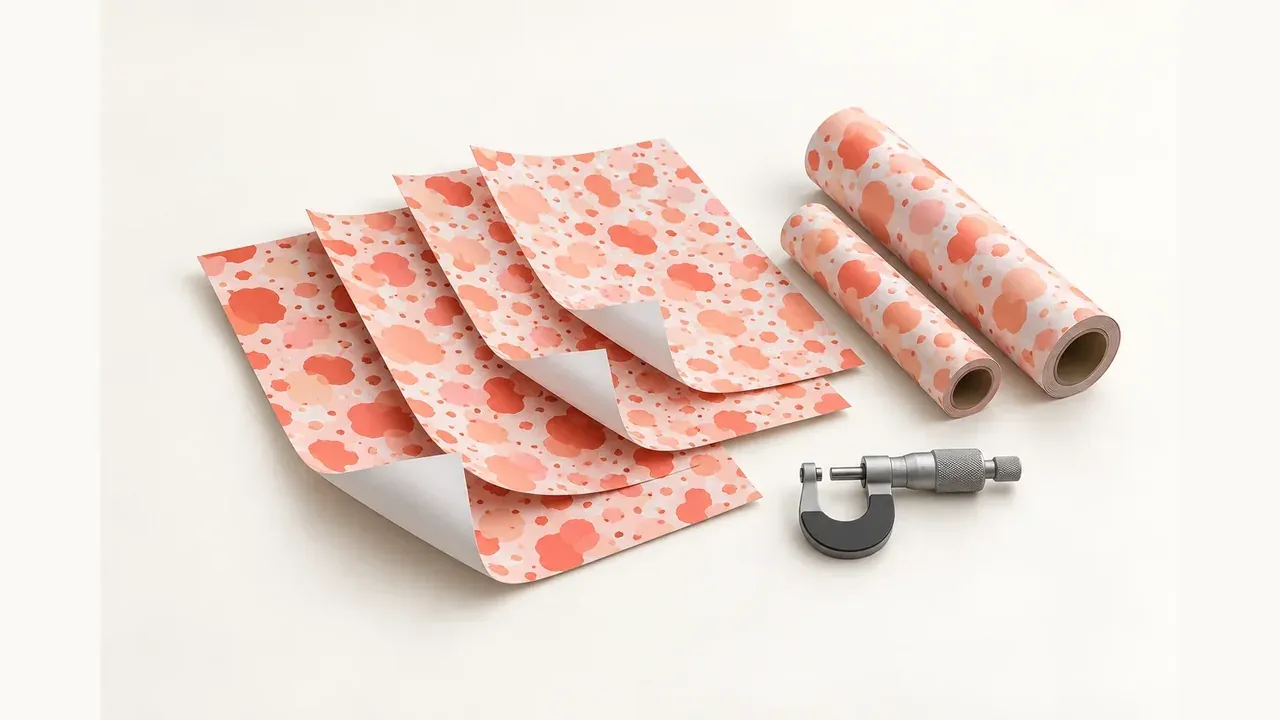
Gift wrapping paper buyers often focus on pattern design first, then ask about price later. That sequence can slow down sourcing because paper weight, print method, pack format and MOQ all change the final quotation. A promotional wrapping paper order works best when the buyer defines the commercial format as early as the artwork direction.
This is especially important for private label and seasonal programs. A retail roll, a folded sheet set and a promotional gift wrap pack may all use similar graphics, but they do not use the same paper specification or packing plan.
Why GSM matters before print decisions
GSM affects how the wrapping paper feels, folds and performs during packing. Lighter paper can reduce cost and carton weight, but it may not deliver the opacity or hand feel a premium retail line needs. Higher GSM may feel better in hand, yet it should still match the way the paper will be packed and used.
At the inquiry stage, buyers should explain whether the wrapping paper is intended for:
• supermarket or chain retail sales
• folded gift wrap packs
• e-commerce promotional sets
• private label holiday collections
That context helps the supplier recommend a practical GSM range instead of one generic number.
How printing style changes MOQ and lead time
MOQ for custom gift wrapping paper is strongly linked to the print setup. Full-color CMYK artwork, Pantone spot color control, metallic accents and repeat-pattern accuracy do not create the same production conditions. The more precise the color expectation, the more important it becomes to confirm the artwork files and repeat layout early.
Buyers should also clarify whether one design will run across the whole order or whether several designs need to share the production quantity. Multi-design promotional orders can be efficient, but only when the supplier understands the split at the quotation stage.
Which pack formats should be confirmed early
The factory should know the intended sales format before giving a firm recommendation. Common formats include:
1. retail rolls
2. flat sheets
3. folded sheet packs
4. mixed promotional bundles with tags or sleeves
Each format influences paper cutting, core requirements, shrink wrapping, labeling and export carton planning. That is why a packaging buyer should send both the paper specification and the final retail presentation requirement together.
How to compare paper material and surface result
For promotional orders, wrapping paper does not need to be judged only by thickness. The print surface, color consistency and folding behavior are equally important. A buyer should ask whether the paper needs a smoother print face, a more natural matte look or a stronger branded retail presentation.
If the order must coordinate with paper gift bags or gift paper boxes, mention that at the beginning. Matching a wrapping paper print direction with a bag logo or a box finish usually requires earlier color confirmation.
What usually affects delivery for seasonal wrapping paper projects
Delivery risk usually comes from a combination of artwork timing and packing details. A supplier may finish printing on time, but the order can still slip if roll labels, barcodes, sleeves or mixed-design bundles are approved too late.
Before confirming production, buyers should check whether lead time includes:
• repeat design approval
• paper sourcing
• printing and drying time
• slitting, sheeting or folding
• retail packing and carton labeling
• export booking for the target season
This is especially important for Christmas, year-end promotions and private label launch windows.
When buyers should use one paper family across several campaigns
If the buyer expects repeat promotional orders, it is often more practical to standardize one paper family and adjust only artwork, pack count or label details. That approach helps reduce sampling friction, keeps print expectations more stable and makes repeat MOQ discussion easier.
It also helps when the supplier is producing matching custom packaging items such as paper gift bags, gift paper boxes and wrapping paper under one brand program.
Quotation Checklist
• Roll size, sheet size or folded pack size
• Target GSM range and paper feel expectation
• Printing method, color reference and repeat artwork status
• Quantity per design and total project quantity
• Pack format: roll, sheet, folded set or mixed promotional bundle
• Label, sleeve, barcode or shrink-wrap requirement
• Target season, delivery deadline and destination market
• Whether the wrapping paper must match paper gift bags or gift paper boxes