
Oct 13, 2026
Custom Gift Wrapping Paper Repeat Size, MOQ and Delivery Guide
A sourcing guide to custom gift wrapping paper repeat size, print layout, MOQ and delivery planning for retail, seasonal and private label packaging programs.
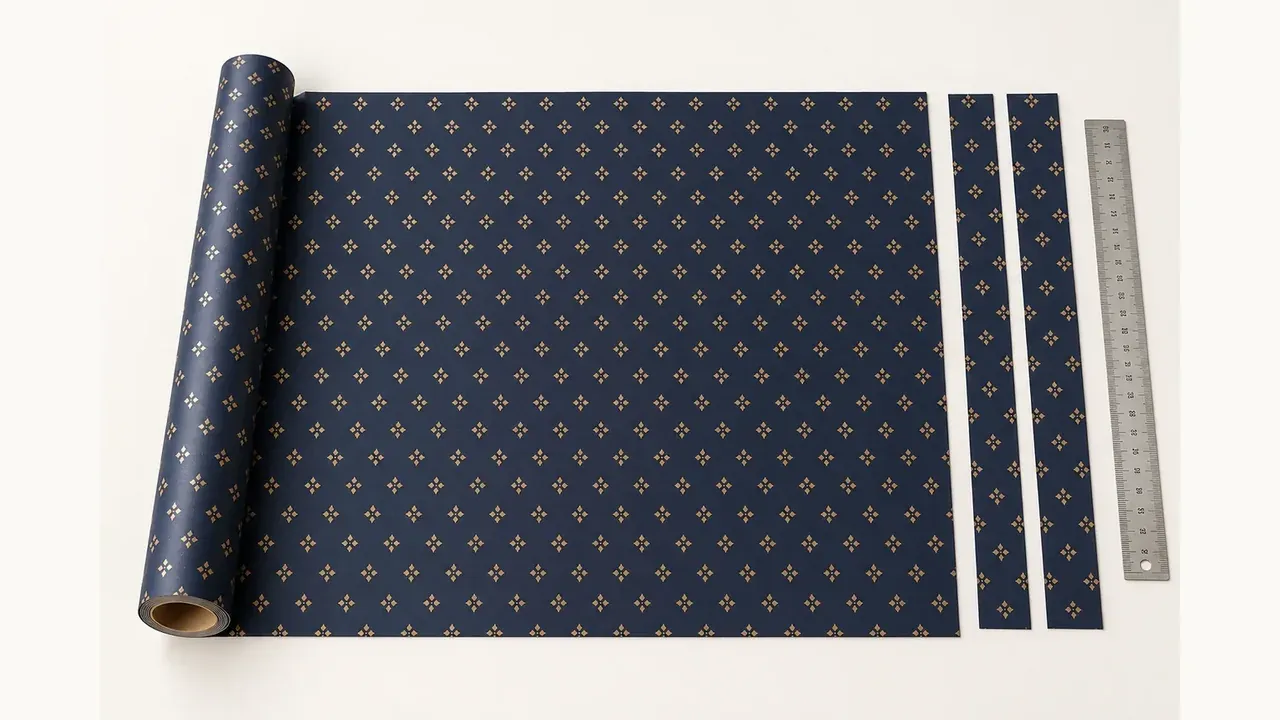
Many custom gift wrapping paper inquiries start with the design image but not the production layout. Buyers may know the pattern they want, but they have not yet defined repeat size, roll width, sheet size or how many designs will be combined in one order. That usually makes early quotations less precise than they should be.
For SEO that fits Google indexing and for packaging buyers who are ready to source, the useful question is specific: how should custom gift wrapping paper be planned so MOQ, print repeat and delivery are clear from the start. When the content answers that directly, it is more helpful than a generic article about trends or color ideas.
Why repeat size matters before price comparison
Repeat size affects both the visual result and the production layout. A small repeated pattern, a large seasonal motif and a one-direction logo design do not run through printing in the same way. If the supplier does not know the repeat size or artwork scale, the quotation may be based on assumptions that later change.
Buyers should explain whether the design is:
• a small all-over repeat
• a medium motif with more visible spacing
• a large gift-focused pattern
• a one-way printed layout with a clear top and bottom direction
That helps the supplier judge cylinder setup, print economy and how many designs can realistically be combined.
How MOQ changes with roll width, sheet size and design count
MOQ for gift wrapping paper is not only about total kilograms or total meters. It is also affected by whether the order is packed in rolls or sheets, whether several designs share one order, and whether the buyer needs retail-ready labels or simple bulk export packing.
For example, one design in one standard roll width may support a more efficient MOQ than four designs split into smaller quantities with separate labels and shrink wrapping. Buyers should therefore share the full assortment plan, not only one isolated SKU.
What buyers should confirm about paper material and printing
Wrapping paper may look simple, but the sourcing brief still needs technical basics. Buyers should confirm:
• paper weight or gsm target
• coated, uncoated, kraft or specialty paper preference
• print side and color expectation
• matte or glossy visual direction
• whether metallic effect, foil or extra finish is needed
These points affect print stability, color appearance and delivery timing. A design that prints well on coated paper may not produce the same result on kraft paper or on a lighter retail paper weight.
How to avoid confusion between design size and finished packing size
Some buyers send one artwork file and assume the supplier will decide the rest. That usually creates unnecessary revisions. The supplier still needs to know the finished product format, such as:
• roll width and roll length
• folded sheet size
• number of sheets per pack
• inner core requirement for rolls
• label, belly band or shrink-wrap requirement
Design scale should be planned against the finished selling format. A pattern that looks balanced on a full roll may appear too dense when folded into smaller retail sheet packs.
What usually extends wrapping paper delivery time
Lead time is often affected by artwork finalization and packing details rather than only printing hours. Delivery may extend when the order includes multiple patterns, retail stickers, barcode labels, shrink wrapping or mixed inner cartons. Peak season also matters because wrapping paper programs often cluster before holiday launches.
Buyers should ask the supplier to separate:
• sample lead time
• mass production lead time
• packing time
• shipping transit estimate
That makes the delivery promise more useful for a launch calendar.
When private label wrapping paper needs earlier approval
Private label packaging programs usually need tighter approval control because repeat orders must stay consistent. If the wrapping paper is part of a wider packaging set with gift bags or gift boxes, buyers should also review color and finish compatibility across the range. Early approval reduces the risk of last-minute changes after the production slot has already been reserved.
This is especially important when a brand wants coordinated packaging for e-commerce, in-store gifting and seasonal campaign displays.
How to send a better inquiry for faster quotations
A strong inquiry gives the supplier enough information to quote clearly without long back-and-forth. Buyers should provide:
• artwork or pattern preview
• repeat size or intended design scale
• paper weight and finish preference
• roll or sheet packing specification
• quantity per design
• destination market and target delivery date
• whether retail labels or special cartons are needed
If the project includes matching gift boxes or paper gift bags, that should be mentioned from the beginning so the supplier can plan the packaging family together.
How this structure supports Google indexing and inquiry intent
Google is more likely to index content that matches a clear search intent and answers it with structured, useful sections. Terms like custom gift wrapping paper MOQ, repeat size and delivery guide are not broad traffic terms only. They usually reflect a buyer who is already defining specifications. That makes the article suitable for both organic discovery and quotation conversion.
Quotation Checklist
• Pattern file, repeat size and print direction
• Paper gsm, material type and finish preference
• Roll width, roll length or sheet size
• Quantity per design and total order quantity
• Retail packing details such as label, core or shrink wrap
• Color standard or approved reference sample
• Sample deadline, production schedule and shipping method
• Whether matching paper gift bags or gift paper boxes are needed
Buyer questions: splitting an order across designs
Does one paper specification mean one MOQ for every design?
Not necessarily. Paper specification and artwork are separate quoting variables. Share the width, roll length or sheet size, paper weight, finish and quantity for each design. Ask whether the proposed production method can combine the versions, and which setup charges apply separately. A total order quantity alone is not enough to confirm that each artwork is economical or feasible.
How do alternate-language versions affect the quote?
Treat a language change as a separate artwork version, even when the pattern and paper are unchanged. Identify the text that changes, check that fonts are embedded or outlined in the final print file, and request confirmation of any additional proof, plate or setup charge. Approve each language version separately so that a correct pattern does not hide an incorrect text revision.
What should I send for a multi-design quotation?
Provide an artwork list with a unique reference for every version; quantities by version; finished dimensions; paper and finish preferences; roll core or sheet-packing requirements; branded labels or belly bands; and the delivery country, postal code and target arrival date. If quantities are undecided, supply a range for each version and ask which configuration gives a practical starting point.
Before placing an order, compare the total project cost rather than only the roll or sheet price. Separate print setup, samples, converting, retail packing, master cartons and freight. Gifted Packaging confirms MOQ and charges against the reviewed specification; this guide does not promise one universal minimum.