
Oct 13, 2026
Custom Gift Wrapping Paper Core Size, Roll Length and MOQ Guide
Learn how core size, roll length, sheet format, print repeat and MOQ affect custom gift wrapping paper cost, packing efficiency and delivery planning.
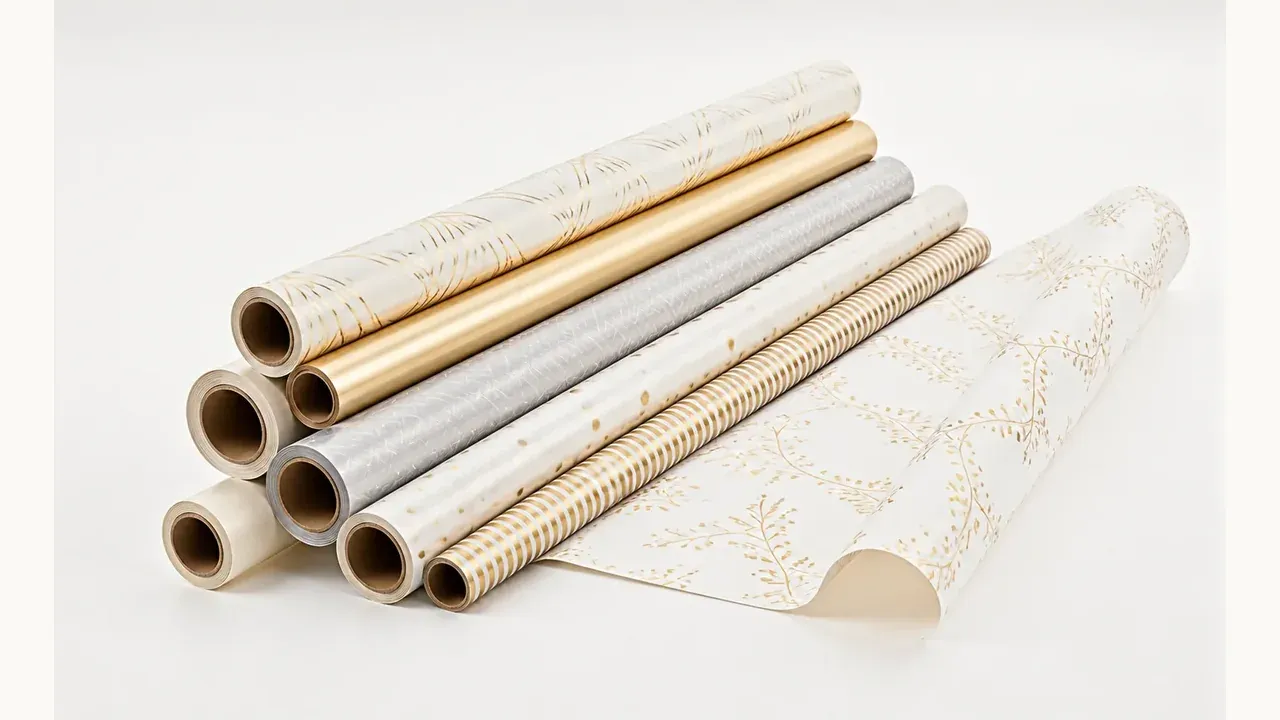
When buyers source custom gift wrapping paper, the artwork often gets most of the attention. In practice, format decisions such as core size, roll length, sheet size and packing method have just as much impact on price, MOQ and delivery. If those variables are left open too long, the quotation cycle becomes slower and less comparable.
This guide explains how to specify printed gift wrapping paper for retail, promotional and private label programs so the supplier can quote against a practical production plan instead of only a visual reference.
Start by choosing roll format or sheet format
The first step is deciding how the wrapping paper will be used at the final point of sale. Retail store rolls, e-commerce gift-wrap inserts, pre-cut sheets and counter-service wrapping stations all require different formats. A roll program should define the finished width, roll length and core direction. A sheet program should define the cut size, grain direction when relevant and how the sheets will be counted and packed.
If the buyer is still comparing both options, ask the supplier to quote them separately. A roll quotation and a sheet quotation usually differ in waste, packing method, labor and freight profile, so combining them too early can make the commercial picture unclear.
Why core size matters in custom wrapping paper
Core size is not only a packaging detail. It affects how the roll is wound, how stable it stays during transport and whether it fits the retailer's dispenser or display hardware. A roll that looks correct in diameter may still fail at store level if the inner core is incompatible with the holder.
Buyers should provide the required inner core diameter, or send a sample from the existing program for confirmation. If the core size is still flexible, ask the factory which options are standard for the requested width and roll length. Standardization can help reduce setup friction and make replenishment easier.
Set roll length with retail handling and freight in mind
Longer rolls can improve unit economics, but they also increase finished diameter, carton volume and handling weight. A shorter roll may be more suitable for boutique retail, seasonal campaigns or promotional gift-wrap sets where the presentation matters more than maximum footage.
The right roll length depends on how the end customer or retail staff will use the product. A buyer should balance shelf presentation, expected usage rate and carton efficiency rather than choosing an arbitrary meter count. It is often useful to request two quotation options: one preferred roll length and one freight-conscious alternative.
Use repeat length and ink coverage to control print expectations
Printed gift wrapping paper is usually quoted around a repeat. The buyer should confirm whether the artwork is a simple step-and-repeat logo, a multi-color illustration or a dense all-over pattern with heavy ink coverage. That changes plate planning, color control and drying behavior.
Repeat length also affects visual rhythm and material use. A short repeat can work well for logo-based private label packaging, while a larger repeat may better support festive or illustrated retail designs. If exact pattern placement matters, the supplier should review the repeat against the roll width before the order is approved.
Match paper material to the selling channel
Tissue-like lightweight wraps, coated gift wrap papers and stronger retail wrapping grades all behave differently in printing and packing. The buyer should specify the target feel, opacity, fold performance and whether the paper is intended for premium gifting, daily store wrapping or value-oriented promotional distribution.
If gloss, matte or specialty finish matters, mention it together with the paper basis weight. A visual artwork file does not show tear resistance, fold memory or whether the paper will crack at sharp corners when wrapping boxed products. Sampling is especially important when the brand expects a premium hand feel.
Clarify MOQ at the design level, not only the total order level
Wrapping paper MOQ may depend on the number of designs, widths, roll lengths and packing formats. A total order that looks large enough can still become inefficient if it is split into too many low-volume variants. Buyers should show the quantity per design and the total program quantity in the first RFQ.
If the project is launching with several SKUs, ask whether shared paper grade, shared width or shared packing style can help the MOQ structure. This approach gives the supplier room to recommend a more manufacturable plan instead of declining small splits one by one.
Build delivery timing from approvals and packing milestones
Delivery planning for gift wrapping paper usually includes artwork approval, color confirmation, material allocation, printing, rewinding or sheeting, packing and freight handover. Buyers should confirm which milestone starts the quoted lead time. Some suppliers count from deposit, while others count from approved artwork or approved sample.
Seasonal launches need extra caution because wrapping paper often ships with other packaging or promotional materials. If the paper must arrive together with bags or gift boxes, say so in the RFQ. Coordinated shipment planning is easier when all packaging items are considered at the quotation stage.
How to request comparable quotations
The strongest quotation request defines one clear primary specification and one acceptable backup option. That lets the supplier quote realistically while still suggesting a practical adjustment if the first choice creates unnecessary waste or an unstable MOQ.
Comparable quotations should use the same paper grade, finished width, roll length or sheet size, print colors, packing method and delivery term. Without that alignment, a lower price may simply reflect a different construction or a lighter commercial assumption.
Quotation Checklist
• Retail use case and whether the format is rolls, sheets or both
• Finished width, roll length or sheet size, plus required core size
• Paper grade, basis weight and target hand feel
• Artwork files, repeat length, print colors and expected ink coverage
• Surface finish requirement and whether a physical sample is needed
• Quantity per design, per size and total program quantity
• Packing method, labels, barcode or retail-ready wrap requirements
• Target shipment date, destination country and preferred trade term
• Whether matching paper gift bags or gift paper boxes are part of the same program