
Oct 14, 2026
Custom Gift Wrapping Paper: Coating, Rub Resistance and Scuff-Test Guide
Specify custom gift wrapping paper coatings, rub resistance and scuff tests with a practical checklist for retail packaging quotations, samples and delivery.
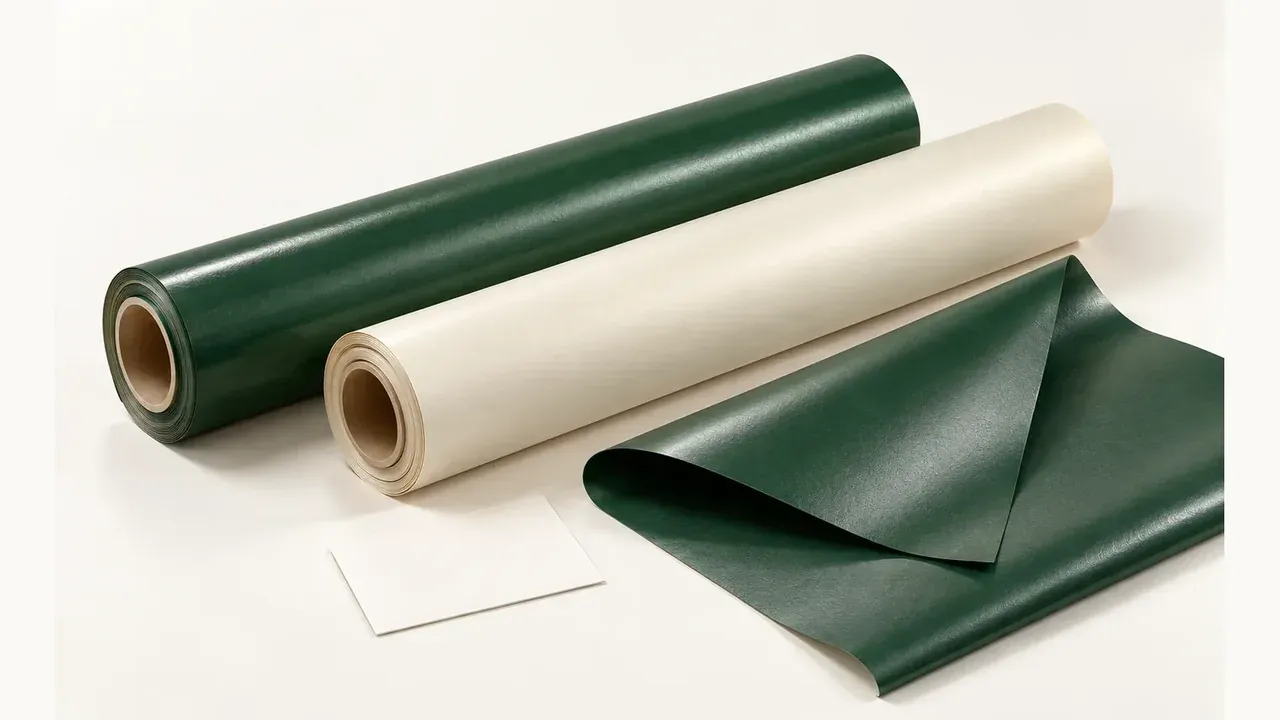
A gift-wrap design can look correct when it leaves the press yet lose its premium effect after rolling, carton packing or repeated handling at a retail counter. Coating choice, ink coverage and the surface that contacts neighbouring sheets all affect whether custom gift wrapping paper arrives clean. For buyers, defining a practical rub and scuff standard before sampling makes quotations more comparable and reduces disputes at delivery.
Start with the real handling route
Describe how the paper will be supplied and used. Sheets pulled from a counter dispenser, retail rolls, e-commerce gift-wrap sets and bulk flat packs encounter different friction. Note whether the printed side touches printed side in the pack, whether tissue interleaves are used, and whether staff will crease or burnish the surface during wrapping. A test that only handles a single loose sheet is not enough to represent a compressed roll or carton.
Choose the coating for the intended appearance and use
Uncoated paper provides a natural, tactile finish but can be more vulnerable to abrasion in heavy solid areas. Gloss coating can make colour appear brighter, while matte coating gives a restrained premium look and may show pale marks when it rubs against a rough surface. Film lamination can add protection, but it changes fold feel, roll stiffness, recyclability considerations and cost. Ask the supplier to identify the actual coating system, not only say “matte” or “gloss”.
Identify high-risk artwork before approving the print method
Large dark solids, metallic effects, fine reverse text and edge-to-edge designs deserve extra attention. A small amount of surface wear can be much more visible on a dark navy sheet than on a light repeat pattern. Supply artwork with the intended repeat, sheet size or roll width, then ask the printer to flag areas where ink coverage, coating or drying conditions may need adjustment. That discussion is more useful before the production run than after cartons arrive.
Define a simple, repeatable rub and scuff check
The acceptance method should be clear enough for both parties to repeat. Agree the sample conditioning, number of sheets or rolls, contact surface, approximate pressure, number of strokes and viewing distance. Compare the result against an approved reference sample under similar lighting. For a retail programme, it is often sensible to assess both a flat-sheet rub test and a packed-product check after the paper has been rolled, stacked or compressed as planned.
Review the production sample in its shipment format
Request a sample in the proposed roll wrap, polybag, banding or carton configuration. Check the first and last sheets, outer roll surface and areas touching tape, labels or cardboard. If a protective layer is proposed, confirm it does not transfer texture, adhesive or moisture to the printed face. This step connects laboratory-style testing with the condition buyers actually receive.
Build MOQ and delivery allowances into the quotation
Coating, interleaving and additional quality checks can change material availability, setup and packing time. Ask for the MOQ by design, colourway, sheet size or roll length, and state whether assorted designs will share a print run. For delivery planning, request carton dimensions, gross weight, roll orientation and a realistic sample-approval-to-dispatch schedule. A low unit price is not directly comparable if it omits the agreed protection or test requirements.
Quotation checklist
• [ ] Finished sheet size or roll width, core size and roll length.
• [ ] Paper grade, GSM and colour reference.
• [ ] Print method, repeat layout and all high-coverage or metallic areas.
• [ ] Named coating or lamination system and required visual finish.
• [ ] Rub/scuff acceptance method, approved reference and inspection lighting.
• [ ] Proposed interleaving, wrap, carton pack and pallet protection.
• [ ] MOQ by design/SKU, sample lead time and bulk delivery schedule.
Next step for buyers
Send the supplier the artwork, expected retail handling route and a short acceptance brief together. Request a coated production-like sample in its intended pack-out, then approve the appearance and scuff performance before the bulk order is released.